The state that stopped being a footnote
For years, conversations about investing in Malaysia have centred on two places. Kuala Lumpur, as the corporate and financial capital. Penang, as the electronics and manufacturing heartland. Johor tended to appear as a supporting detail — the state you pass through on the way to Singapore.
That framing has become difficult to sustain. Johor sits at the southern tip of Peninsular Malaysia and has always drawn advantage from its proximity to Singapore. What has changed is the scale: of investment arriving, of infrastructure being built, and of formal cooperation between the two sides of the strait.
Data centres, advanced manufacturing, logistics, digital services and property are all drawing capital into the state. And the underlying proposition is unusually clean — Johor is close enough to Singapore to benefit from one of Asia's most developed economies, while offering land and a cost structure Singapore cannot match.
Geography that does real work
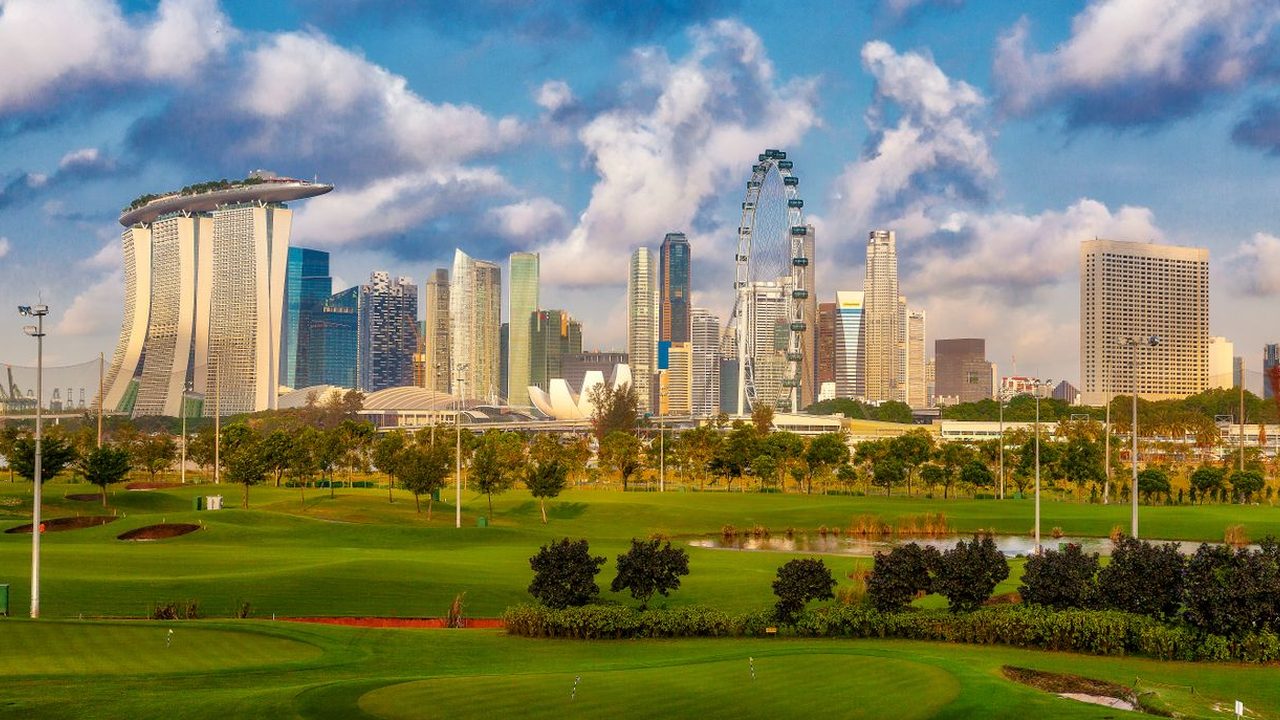
Johor is separated from Singapore by the Johor Strait, which places it directly beside one of the world's most important commercial centres. The Causeway and the Second Link carry traffic across; major ports and transport infrastructure connect the state outward to international markets.
For a business, this produces a combination that is genuinely rare. A company can operate inside Malaysia — Malaysian costs, Malaysian land, Malaysian labour market — while remaining within reach of Singapore's financial institutions, professional services and international business ecosystem.
That matters more now than it did a decade ago, because companies have stopped treating a headquarters as a single indivisible location. Once you accept that different functions can sit in different places, the question changes from "which country" to "which part of the business belongs where" — and Johor answers that question well.
The Johor-Singapore Special Economic Zone
The single development most responsible for changing Johor's investment story is the Johor-Singapore Special Economic Zone (JS-SEZ).
The zone was established to deepen economic connectivity between Johor and Singapore and to encourage investment across a defined set of industries — manufacturing, logistics, digital economy activities, business services and other higher-value sectors. The logic behind it is straightforward: pair Singapore's global connectivity and expertise with Johor's land, resources and cost advantages.
For investors, the practical consequence is the ability to build operations spanning both sides of the border. Corporate, financial and regional functions can remain in Singapore while manufacturing, logistics, data infrastructure or other operational activity sits in Johor.
This is why Johor's growth should not be read as a purely Malaysian story. It is increasingly a feature of the wider Singapore-Malaysia economic relationship.
"A border that becomes easier to cross is, in economic terms, a border that becomes less restrictive. That is the quiet thesis behind almost everything happening in Johor."
What is actually drawing capital
Cost and space
Singapore remains one of the world's most expensive business locations for land, office space, labour and industrial operations. For companies needing warehouses, factories, data centres or large-scale facilities, the difference is material rather than marginal.
Data centres
Proximity to Singapore, available land, and access to power and connectivity have made Johor a focal point for data infrastructure. As demand for cloud computing and artificial intelligence grows, that positioning compounds.
Manufacturing and logistics
Johor's industrial base is not new, but the type and scale of investment is changing as multinationals diversify supply chains under China+1 strategies. Ports, industrial land and regional market access all reinforce this.
Ports and trade
The Port of Tanjung Pelepas is one of Southeast Asia's major container ports and an important transshipment hub. For manufacturers and logistics operators, proximity to a port of that calibre changes operating economics.
The data centre story deserves a further note, because its economic footprint extends well past the buildings themselves. These facilities require construction, engineering, energy, telecommunications, security, maintenance and professional services on a continuing basis. That is what allows a cluster of large server halls to become a technology ecosystem rather than simply a collection of buildings — and it is where most foreign businesses will find their entry point.
Infrastructure is doing the rest
Investment does not follow geographic convenience alone. Businesses need infrastructure that lets people, goods and information move efficiently, and Johor has benefited from sustained development around Johor Bahru and the state's principal industrial corridors.
The Rapid Transit System (RTS) Link between Johor Bahru and Singapore's Woodlands North is the project most likely to alter day-to-day economics. Once operational, it is expected to provide a faster public transport connection across the strait, easing movement for workers, businesses and visitors alike.
Infrastructure of this kind matters to investors because it changes how closely two economies function together. Every reduction in friction at the border makes the split-operations model easier to justify.
More than a Singapore spillover
It would be convenient to describe Johor's growth as an overflow from Singapore. That reading undersells what is happening.
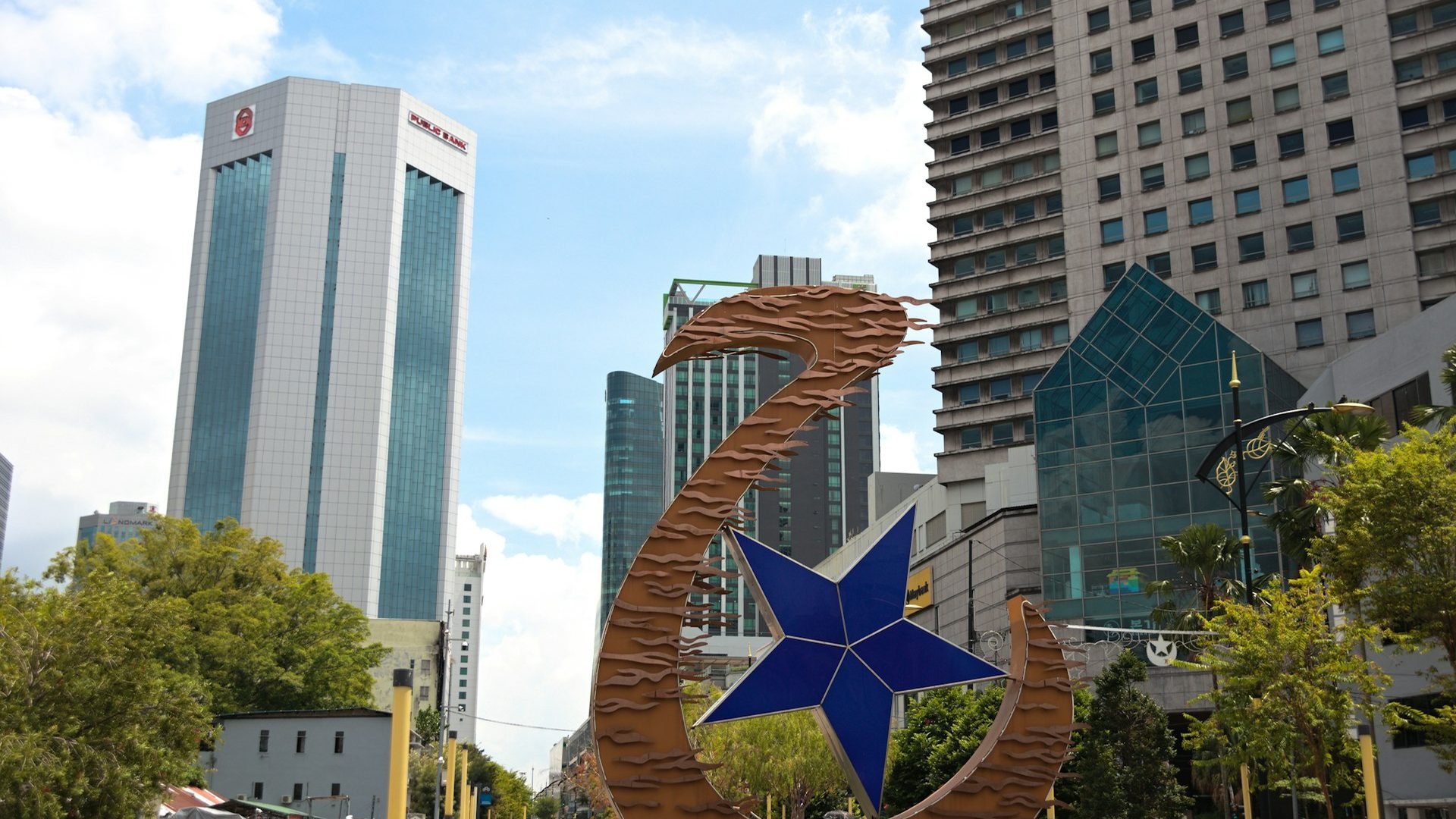
Singapore's proximity is plainly a major advantage, but Johor has developed its own economic strengths and, increasingly, its own investment identity. Johor Bahru is maturing as an urban centre. Industrial areas are expanding. Technology infrastructure is growing. Tourism and property markets continue to attract interest independently.
The state's position also places it at the intersection of several markets rather than just one. Singapore sits directly across the border. Kuala Lumpur is connected by road and rail. Indonesia's Batam and Riau Islands lie nearby across the Straits. Johor is not simply next to Singapore — it sits inside a network of some of Southeast Asia's most economically active areas.
What this offers foreign investors
Johor's central appeal is flexibility. A business does not have to relocate wholesale. It can instead ask which parts of its operation would benefit most from the state's cost and infrastructure advantages.
| Company type | How Johor typically fits |
|---|---|
| Technology company | Establishing data centre or digital infrastructure capacity near the Singapore ecosystem. |
| Manufacturer | Locating production facilities where land and operating costs are competitive. |
| Logistics operator | Using Johor as a regional distribution base with direct port access. |
| Singapore-based business | Placing an operational arm across the border while the headquarters remains in Singapore. |
| New market entrant | Using Johor as a first Malaysian foothold before expanding further into the country. |
The challenges worth taking seriously
Rapid investment places pressure on infrastructure, utilities, land availability and the local workforce. Those pressures are real, and they are already visible in a state absorbing capital at this rate.
Businesses also need to account for licensing requirements, sector-specific regulation, environmental obligations and the practical realities of operating across an international border — which is a genuine operational discipline, not an administrative footnote.
The most attractive opportunity is rarely the one with the largest headline incentive. It is the one where the business model, location, infrastructure, workforce and regulatory environment all point in the same direction.
So is Johor Malaysia's next investment hub?
The indicators point that way. Johor holds most of the ingredients investors look for: a strategic location, access to Singapore, industrial infrastructure, major ports, available land, a growing digital economy and improving connectivity. The JS-SEZ adds a further layer by converting an informal proximity advantage into a structured economic partnership.
But the most consequential change may be one of perception. Johor is increasingly assessed not as the Malaysian state beside Singapore, but as a strategic investment location in its own right.
Singapore will remain one of the region's essential business centres. Kuala Lumpur will remain Malaysia's corporate heart. Penang will keep drawing technology and manufacturing investment. Johor is doing something different — becoming the place where Singapore's connectivity meets Malaysia's scale, and where international businesses can reach regional markets without carrying Singapore's full cost base.
How Jusoor Group can help
Choosing a location is one of the more consequential decisions a foreign investor makes, and it interacts with everything else — company structure, foreign ownership rules, licensing, taxation, employment requirements and incentive eligibility.
We advise international businesses and investors on establishing and expanding in Malaysia, including in Johor and within the JS-SEZ. If the state is on your shortlist, an early conversation will usually clarify whether your particular activity qualifies for what you are counting on.